

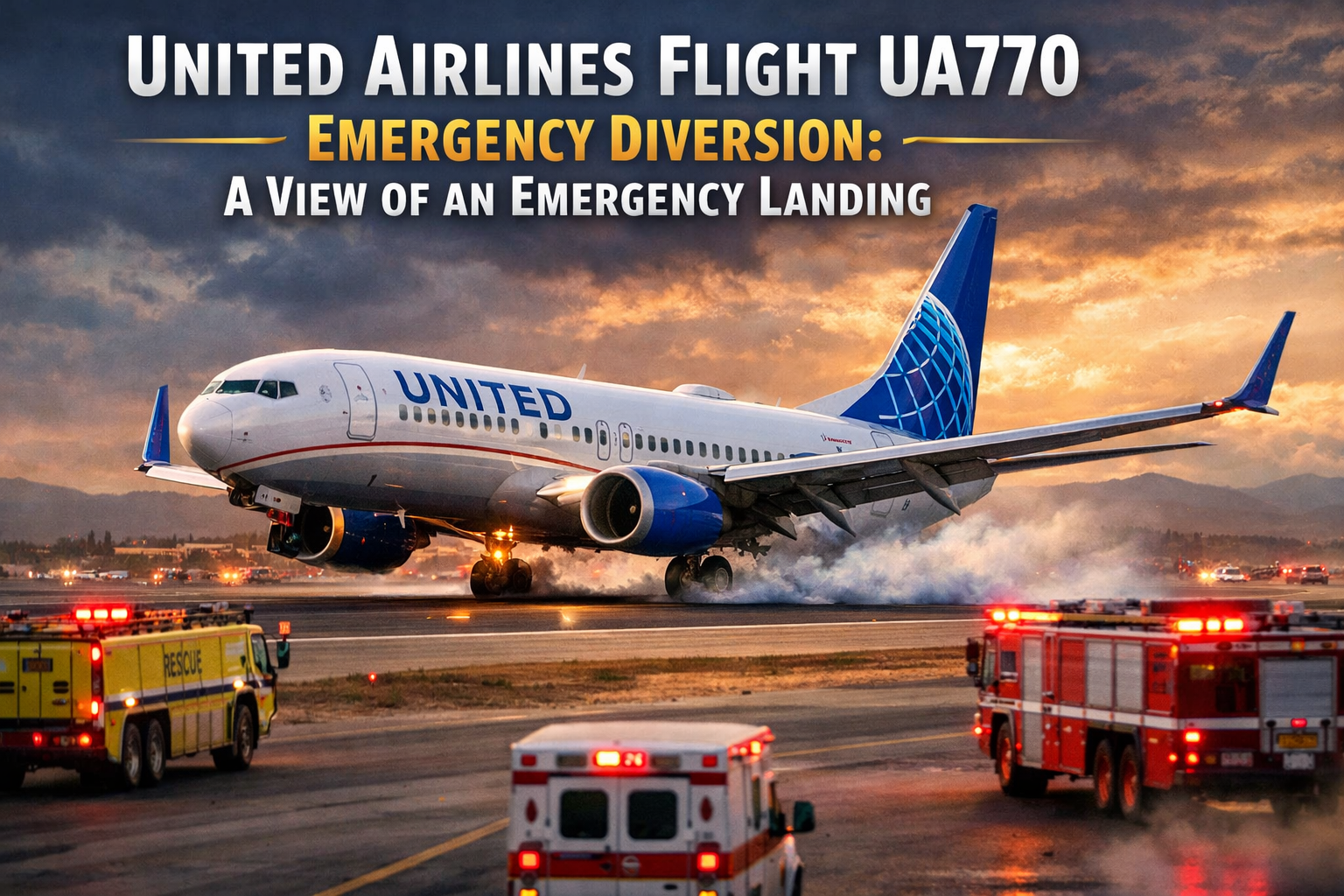
Contemporary aerial navigation is a statistical wonder. The routine of flying is something that most passengers have assumed without much thought, as the tens of thousands of flights that fly every day without any incident. We board, we pack our bags, we half-hear the safety talk and we are hoping that we will get to our destination ahead of time. Nevertheless, the intricate systems of the aviation industry fail at times, breaking that routine and putting all those on board in the high-stakes game. It is just what happened to the passengers that were flying Atlanta to Chicago recently and it is now referred to as United airlines flight ua770 emergency diversion.
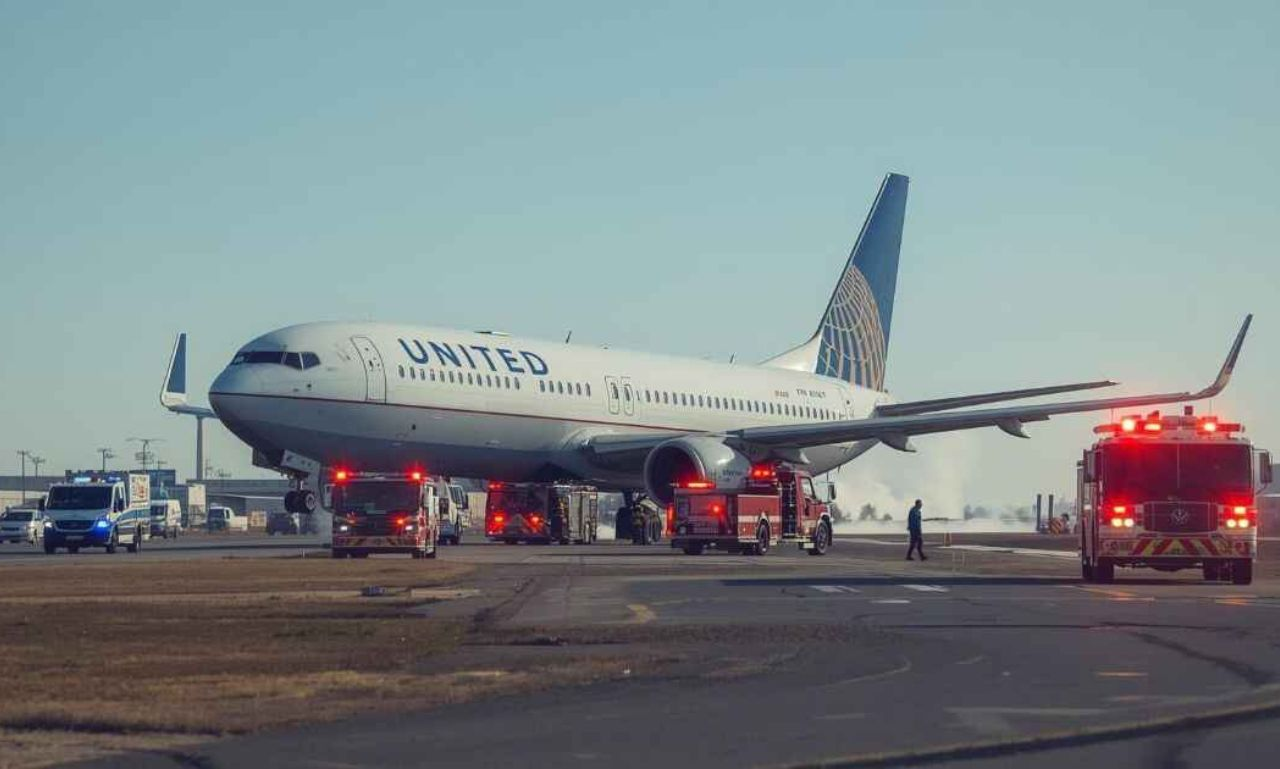
What seemed to be a normal domestic hop turned into a tense situation where decisions have to be made fast and high-level skills in piloting are needed. The inconsistent way the atmosphere of the cabin is rapidly shifted to that of concentration and anxiety, speaks to the precariousness of being 30,000 feet in the air. United airlines flight ua770 emergency diversion is not only a story of a mechanical failure; it is a story of human response and professional control in a situation requiring control and the complexity involved in safety nets that are in place to assist the passengers should anything go wrong.
The Flight that Missed Its Destination.
United Airways Flight UA770 was flown by a Boeing 737-900, and it had left the Hartsfield Jackson Atlanta international Airport (ATL) bound to Chicago o-hare international Airport (ORD). The first part of the flight was not remarkable. The airplane had reached cruising altitude, flight attendants commenced serving drinks and passengers settled down to reading, watching movies, or sleeping. It did not show that this particular trip would soon end up in the news headlines with a story of a united airlines flight ua770 emergency diversion.
This is when, most frequently, an interruption is most shocking. As per the descriptions of the happenings, the environment changed subtly and then changed directly. Maybe there was something wrong with the engine pitch, or the seatbelt sign came back on when it shouldn’t have. After a short moment, the pilots came over the in-flight entertainment system to announce something that no passenger would rather hear and the events that ensued at that moment brought about the united airlines flight ua770 emergency diversion.
The Notification and the Growing Tension.
The flight deck informed that the plane was having a mechanical problem. Although the details may become obscure sometimes during an ongoing incident, it has been reported that the problem was connected with the flaps of the aircraft, which are valuable surfaces, located on the wing and which create additional lift when at lower speeds, which are essential to safe takeoffs and, most importantly, landings. The failure of the flaps did not give a normal landing in Chicago any recommendation. The united airlines flight ua770 emergency diversion was necessary because the crew required an extended runway and priority treatment by the flight crew.
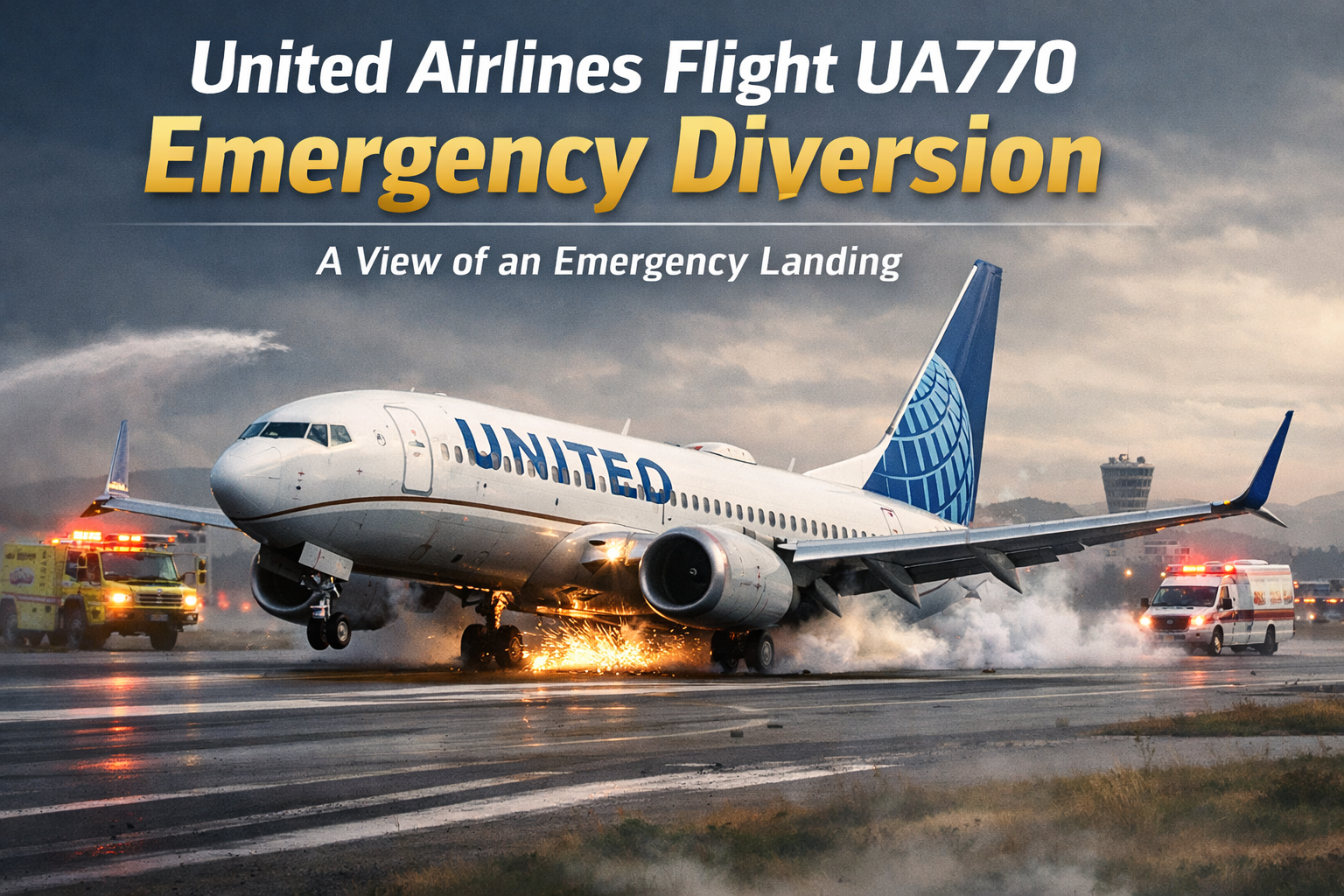
It was decided to deviate to Indianapolis International Airport (IND). The understanding that the plane had been broken and was heading in the wrong direction had a shock of fear running through the plane. The words united airlines flight ua770 emergency diversion could not be said through the intercom but the fact of it was pressing on each passenger like a tonne. There was neither a murmur of conversation nor the subdued murmur that had been the background to it, but a silence full of tension. People looked anxious at each other, other people held on to armrests, some silently typed text messages to their loved ones, in case.
Carrying out the Diversion to Indianapolis.
One Boeing 737-900 flap problem is a severe technical problem. In the absence of extended flaps the aircraft has to fly at a much greater rate than normal to keep it in the air and to prevent stalling. Such a high-speed landing needs precision flying, a long runway and ground preparation in case of possible tire burst or braking problems on landing.
When the united airlines flight ua770 pilots made the emergency diversion landing, flying the heavy jet northwest over central Indiana, the cabin crew was in action. They were trained to this, and whatever personal fears they might have had were disguised. They were making the cabin ready to land in non-standard way by ensuring that everything was in place and passengers were oriented on what to do in case of necessary positions on the brace. Their professionalism played a very important role as anchoring the passengers through the nerve-wracking journey in the form of descent that was the united airlines flight ua770 emergency diversion.
The Approach and Landing
When Indianapolis came in sight the tension on board was at its height. The landing was different–it was quicker and steeper than usual approach, and this was a required result of the malfunction of the flaps that had propelled the united airlines flight ua770 emergency diversion. People at the windows would see the ground approaching them at an unpleasant speed.
To make the scene even more surreal and frightening was the view upon the tarmac below. Like a ritual is the case in an event of this nature such as the united airlines flight ua770 emergency diversion, emergency services at IND were fully mobilized. The runway was lined with fire trucks, ambulances and airport safety vehicles whose lights could be seen in the distance awaiting the Boeing 737. It is not only reassuring but very disturbing to the airmen to see the “cavalry” on the ground waiting.
The pilots played the high speed touchdown. It was said to be a faster and firmer landing than usual and that heavy braking was enforced to immediately decelerate the momentum of the 737-900 instead of relying on fully extended flaps to assist in doing so. The successful landing touched down gave a collective sigh of relief to the cabin which was the climax of the united airlines flight ua770 emergency diversion.
Aftermath and Reflection
As soon as the safe landing was accomplished, the emergency vehicles were just in time to meet the aircraft, and go down the runway with it to determine that there were no secondary problems such as overheating brakes and fires. Luckily, no casualties (passengers and crew) were reported. The united airlines flight ua770 emergency diversion had worked out safely.
The aircraft taxiied to the gate, and the reality of what had just happened started to sink in. Passengers got off the plane in Indianapolis, miles away to where they were supposed to have gotten to Chicago, and happy to be on the ground. United Airlines also made efforts to re-accommodate the passengers to other flights in order to accomplish their flights.
The united airlines flight ua770 emergency diversion is a bright example of the layers of safety that have been constructed in the commercial aviation. Mechanical breakdowns happen, but pilots are highly trained in how to deal with them, planes are built in a way of redundancy and the air traffic control systems are structured to preserve the distressed planes first. Though this is exactly what causes terror to the occupants on the plane, the fact that the united airlines flight ua770 was able to land safely on the emergency landing site demonstrates that these systems are exactly where they are supposed to be when the unimaginable occurs at 30,000 feet.
Must Read -: Navigating the Retirees AA Com Login
