

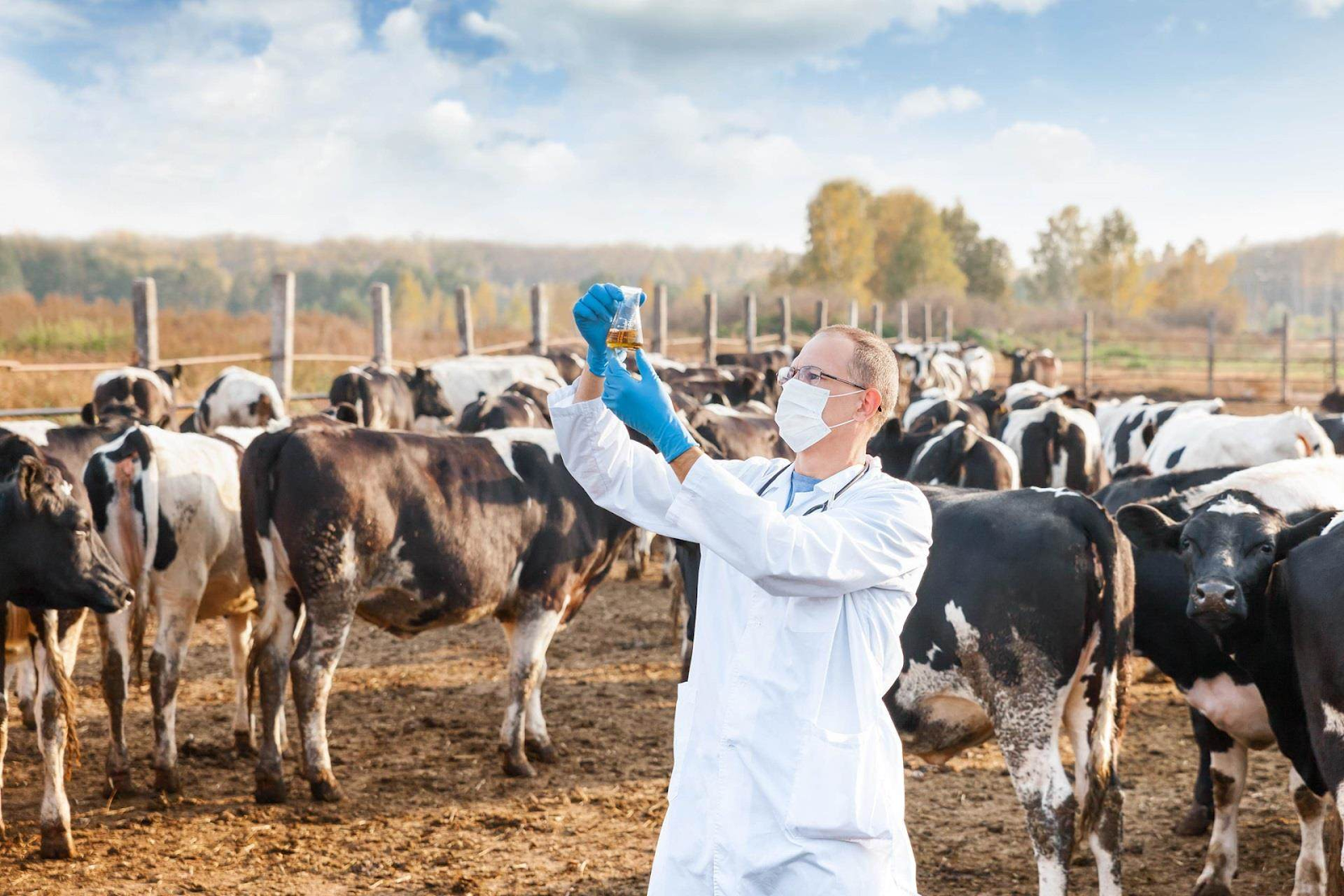
Building a stable presence within the animal healthcare sector requires more than good intentions and product knowledge. It does need structure, consistency, and systems that dependably support everyday work. Many professionals today explore a veterinary medicine franchise model because it offers a planned entry into the market without unnecessary confusion. This approach offers partners a chance to develop their service quality and market relationships while using operational support that is tried and tested.
- Reduced Operational Uncertainty: One of the very strong benefits of working under a franchise structure is a reduced level of uncertainty in daily operations. The processes for distribution, pricing logic, and product handling have been defined and refined over time. This will definitely help partners avoid early mistakes that usually arise from independent setups. This will allow clarity with fewer unknowns to manage; thus, attention stays on execution rather than constant adjustments.
- Accountable Product Standards: The treatment of animals highly relies on the safety and consistency of medicines. Franchise systems maintain product standards across locations for the same product, hence helping to assure reliability in every batch supplied. This will eventually build confidence among veterinarians and distributors who rely on predictable quality for patient care. In this respect, with time, reliability strengthens professional trust and repeat demand.
- Structured Training and Knowledge Support: While independent operations are oftentimes neglectful of training, franchise partnerships make sure to highlight it from the outset. This ranges from handling practices and compliance expectations to how to conduct business in the market. The structured learning reduces trial-and-error situations and supports smoother onboarding. Continuous knowledge sharing also helps them get in line with the latest industry expectations.
- Smarter Supply Chain Coordination: Medicine availability is important for the continuity of animal health care. The franchise model is developed to enhance supply coordination through the forecasting of demand and management of the flow of distribution. This lessens stock-out situations and delays that may impact the schedules of treatments. Continued availability gives support to credibility in the market and lessens stress due to peak periods of demand.
- Faster Market Acceptance: Building up trust in veterinary markets takes a little time, especially in regions where professionals rely more on proven names. A franchise setup brings with it an existing identity that helps shorten acceptance cycles. Clinics and dealers will feel more comfortable engaging with a recognized system, knowing practices will follow consistent lines. This early acceptance was helpful in achieving better regional penetration.
- Balance Between Independence and Structure: A correctly put-together franchise model will ensure that the partners can operate independently while following certain common standards. Local understanding is respected, and core processes remain aligned. This balance will help in sustaining motivation by maintaining consistency. Partners feel supported, not restricted.
- Reputation Built on Consistency: Consistent practices over time build a strong professional image. Ethical promotion of products or services, reliable supply, and disciplined operations command respect in the veterinary community. The reputation grows through your actions naturally, not by its claims. It provides the authenticity for lasting business relationships. A structured model is a partner that brings clarity, control, and confidence in an otherwise demanding industry.
In conclusion, working with a franchise veterinary company allows professionals to grow steadily with much-needed discipline and trust. Benefits will always extend beyond short-term gains and support sustainable progress. Careful alignment and long-term thinking remain important for meaningful success.
