
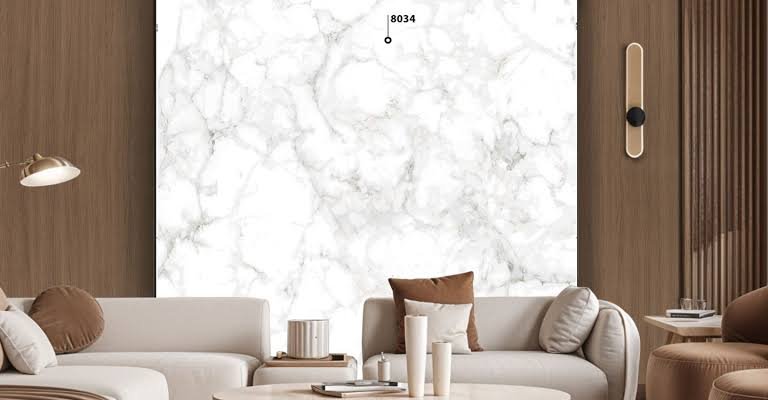
If you’re building furniture, renovating a kitchen, or setting up a new office, chances are you’ll run into the term “laminate sheet” fairly quickly. It’s one of the most commonly used surfacing materials in Indian interiors — but with so many types, thicknesses, and finishes on the market, picking the right one isn’t always straightforward. This guide breaks it all down in plain terms so you can make a confident, informed choice.
What Is a Laminate Sheet?
A laminate sheet is a flat, decorative surfacing material made by compressing multiple layers of resin-treated paper under high heat and pressure. The result is a hard, durable sheet that can be bonded onto plywood, MDF, or particle board to create finished furniture, cabinets, doors, and wall surfaces.
Laminate sheets are popular because they combine three things people care about most: a wide range of designs, solid durability, and a price that’s friendlier than natural materials like wood or stone.
Common Uses of Laminate Sheets
- Furniture – wardrobes, cabinets, tables, and shelving
- Kitchen surfaces – cabinet shutters, and in some cases countertops
- Doors – both interior doors and decorative door skins
- Wall paneling – accent walls and interior cladding
- Office interiors – desks, partitions, and storage units
Types of Laminate Sheets
Not every laminate sheet is built for the same job. Here’s a quick breakdown of the common types you’ll come across:
1. Standard Decorative Laminate (0.8mm–1.25mm)
The most widely used type, available in countless colours, textures, and finishes. Great for general furniture, wardrobes, and cabinets.
2. SPC Laminate
A hard, highly durable laminate designed for high-traffic or heavy-use areas, offering strong water and impact resistance — often used where standard laminate would wear out too quickly.
3. SPF Laminate
Built with a focus on fire-retardant performance, commonly chosen for commercial spaces and interiors where added fire safety is a priority.
4. Acrylic Laminate
Delivers an ultra-glossy, mirror-like finish. A popular pick for modern kitchens and wardrobes that need a sleek, reflective look.
5. Door Skin Laminate
A specialized laminate designed specifically for door surfaces, combining decorative finishes with the durability needed for daily opening and closing.
6. Fluted/Textured Laminate
Features raised grooves or a tactile surface, used for feature walls and statement furniture rather than everyday flat surfaces.
7. Exterior-Grade HPL (Wall Cladding)
A tougher, weather-resistant laminate built to handle outdoor exposure — sun, rain, and temperature changes — for exterior wall cladding projects.
Laminate Sheet Thickness Guide
| Thickness | Typical Use |
|---|---|
| 0.8mm | Light-use decorative surfaces, overlays |
| 1mm | Wardrobes, general furniture, wall paneling |
| 1.25mm | Kitchen cabinets, high-use furniture |
| 1.5mm+ | Doors, commercial interiors |
As a simple rule: the more daily wear a surface will see, the thicker the laminate should be.
Standard Size
Most laminate sheets, regardless of type or finish, come in a standard 8 feet x 4 feet (2440mm x 1220mm) size. This works for the vast majority of furniture, cabinet, and door applications. Some premium ranges offer larger sheets for projects that need fewer visible joints.
Laminate Sheet Price: What Affects the Cost
Laminate sheet prices in India can range widely — broadly speaking, anywhere from a few hundred rupees to several thousand per 8×4 feet sheet — depending on:
- Thickness – thicker sheets cost more due to added material and durability
- Finish complexity – solid colours are cheaper than woodgrain, marble-look, or metallic finishes
- Brand – established, ISI-marked brands typically charge more but offer better consistency and warranty support
- Special properties – fire-retardant, moisture-resistant, or exterior-grade laminates cost more than standard indoor sheets
- Design uniqueness – custom prints or limited designs are priced at a premium
Because pricing varies by brand, region, and season, it’s best to request a current quote or catalogue from your laminate supplier rather than relying on a fixed number.
How to Choose the Right Laminate Sheet
Match Thickness to Usage
Don’t use a thin, light-duty laminate on a high-traffic kitchen cabinet — it won’t hold up. Equally, there’s no need to pay for thick, heavy-duty laminate on a low-use decorative panel.
Pick a Finish That Suits the Room
- Glossy or acrylic finishes work well in kitchens, reflecting light and making the space feel bigger
- Matte finishes are more forgiving for high-touch furniture like wardrobes and office desks
- Textured or fluted laminate suits feature walls where you want a design statement
Check for Moisture Resistance
Kitchens, bathrooms, and utility areas need a laminate rated for moisture resistance — standard laminate can handle occasional spills but isn’t built for constant water exposure.
Confirm Fire Safety Where Relevant
For commercial spaces or higher-risk areas, ask specifically about fire-retardant laminate options (like SPF) rather than assuming standard laminate meets safety requirements.
Buy From a Reliable Source
Look for ISI-marked products, clear technical specifications, and a warranty covering issues like delamination or fading. A trusted brand with a wide retail network also makes it easier to source matching sheets later if you need repairs or extensions.
Laminate Sheet Maintenance Tips
- Clean regularly with a soft, damp cloth and mild soap solution
- Avoid bleach, strong solvents, or abrasive scrubbers
- Wipe up spills quickly, especially near joints and edges
- Use coasters or trivets under hot items to prevent heat damage
- Use a chopping board on laminate countertops to avoid scratches
Laminate Sheet vs Other Surface Materials
| Material | Durability | Cost | Maintenance | Design Range |
|---|---|---|---|---|
| Laminate Sheet | High | Low–Mid | Easy | Very wide |
| Veneer (wood) | Medium | High | Needs polishing | Limited to wood tones |
| PVC Sheet | Medium | Low | Easy | Wide, less realistic |
| Acrylic Sheet | High | Mid–High | Easy but scratch-prone | Glossy finishes only |
| Natural Stone | Very High | High | Occasional sealing | Natural patterns only |
For most residential and office projects, laminate sheets offer the best overall balance of cost, durability, and design flexibility.
FAQs About Laminate Sheets
Q1. What is a laminate sheet made of?
It’s made by pressing multiple layers of resin-treated paper together under high heat and pressure, creating a hard, durable decorative surface.
Q2. What is the standard size of a laminate sheet?
Most laminate sheets come in a standard 8 feet x 4 feet size, though larger sheets are available in some premium ranges.
Q3. Which laminate thickness is best for kitchen cabinets?
1.25mm laminate is generally recommended for kitchen cabinets since it offers better durability for an area that sees frequent use.
Q4. Is laminate sheet waterproof?
Standard laminate is water-resistant, not fully waterproof. For high-moisture areas like kitchens and bathrooms, choose a moisture-resistant grade and ensure edges are properly sealed.
Q5. What’s the difference between laminate sheet and SPC laminate?
Laminate sheets are general-purpose decorative surfaces for furniture and panels, while SPC laminate is a harder, more impact- and water-resistant material designed for high-traffic areas.
Q6. How long does a laminate sheet last?
With good-quality material and proper installation, laminate sheets typically last 10 to 20 years, depending on usage and maintenance.
Q7. Can I install laminate sheets myself? Basic, flat installations can be DIY-friendly with the right tools, but for kitchen cabinets, wardrobes, and doors, professional installation is recommended to ensure proper adhesive application and edge finishing.
Final Thoughts
A laminate sheet might seem like a simple product, but getting the type, thickness, and finish right makes a real difference in how it performs over time. For everyday furniture, standard 1mm laminate usually does the job; for kitchens and heavy-use areas, step up to 1.25mm or a specialised type like SPC. Whatever you choose, buying from a trusted, ISI-marked brand goes a long way toward making sure your surfaces stay looking good for years to come.
Disclaimer: Prices, specifications, and product availability may vary by brand and region. Check with your laminate supplier for current rates and technical details.