
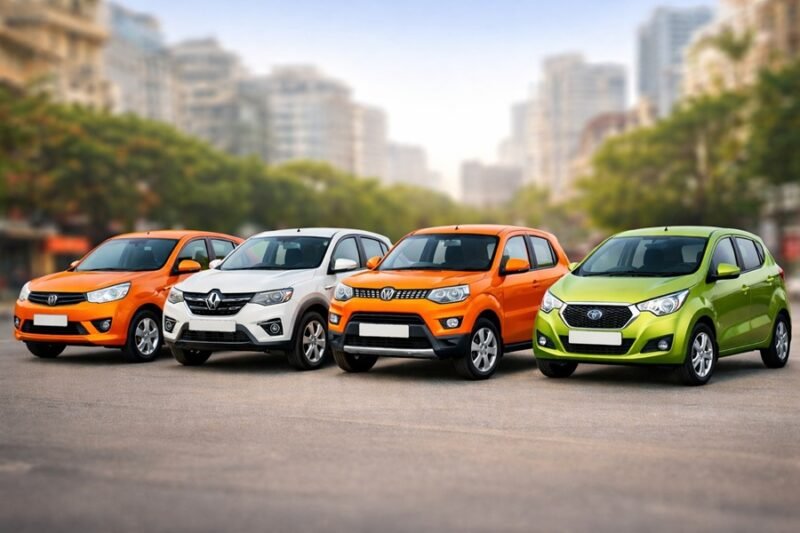
Buying a car is a significant investment, and with hundreds of models available across multiple segments, choosing the right vehicle can be challenging. Features, safety ratings, engine options, fuel efficiency, pricing, and ownership costs all play an important role in the decision-making process.
This is why comparing cars before making a purchase is essential. A proper car comparison helps buyers evaluate multiple options side by side, understand key differences, and identify the vehicle that best matches their needs and budget.
Whether you’re deciding between two SUVs, comparing hatchbacks, or evaluating electric vehicles, a structured comparison can simplify the buying process and reduce the risk of making the wrong choice.
Why Comparing Cars Is Important
Many buyers focus only on price when choosing a vehicle. However, a comprehensive comparison considers multiple factors that affect ownership experience.
Better Value for Money
Comparing vehicles helps identify which model offers the best combination of features, safety, performance, and pricing.
Smarter Buying Decisions
Side-by-side comparisons make it easier to understand the strengths and weaknesses of competing models.
Avoids Buyer Regret
Careful research helps ensure that the chosen vehicle aligns with current and future requirements.
Long-Term Savings
Comparing fuel efficiency, maintenance costs, and resale value can significantly impact overall ownership expenses.
Key Factors to Compare When Buying a Car
Price
Price is often the starting point of any comparison.
Buyers should consider:
- Ex-showroom price
- On-road price
- Insurance costs
- Registration charges
- Financing expenses
A car with a lower purchase price may not always offer the best long-term value.
Engine Performance
Engine specifications influence driving experience and efficiency.
Important factors include:
- Engine capacity
- Power output
- Torque
- Transmission options
- Driving dynamics
Different buyers prioritize performance differently depending on their usage.
Fuel Efficiency
Fuel costs are a major ownership expense.
Comparing mileage figures helps estimate:
- Monthly fuel expenses
- Annual running costs
- Long-term affordability
Fuel-efficient vehicles can generate substantial savings over time.
Safety Features
Safety should be a top priority for every car buyer.
Compare features such as:
- Airbags
- ABS with EBD
- Electronic Stability Control
- Hill-hold assist
- Rear parking camera
- Advanced Driver Assistance Systems (ADAS)
Vehicles with stronger safety packages often provide better peace of mind.
Features and Technology
Modern vehicles offer numerous convenience and connectivity features.
Important features include:
- Touchscreen infotainment systems
- Wireless smartphone connectivity
- Digital instrument clusters
- Sunroofs
- Ventilated seats
- Connected car technology
The right feature set depends on individual preferences and usage patterns.
Space and Comfort
Families often prioritize cabin space and passenger comfort.
Compare:
- Rear-seat legroom
- Headroom
- Boot capacity
- Seating comfort
- Interior quality
These factors significantly influence everyday usability.
Comparing Different Vehicle Segments
Hatchback vs Sedan
Hatchbacks generally offer:
- Better city maneuverability
- Lower purchase costs
- Easier parking
Sedans often provide:
- Greater comfort
- Larger boot space
- More premium driving experience
SUV vs Sedan
SUVs offer:
- Higher seating position
- Better ground clearance
- Strong road presence
Sedans typically deliver:
- Better fuel efficiency
- Improved ride comfort
- Enhanced highway stability
Petrol vs Diesel
Petrol cars are often preferred for:
- Lower initial cost
- City driving
- Lower maintenance complexity
Diesel vehicles may be better suited for:
- High annual mileage
- Long-distance travel
- Better fuel economy
Electric Cars vs Conventional Cars
Electric vehicles provide:
- Lower running costs
- Zero tailpipe emissions
- Reduced maintenance requirements
Conventional vehicles offer:
- Faster refueling
- Wider infrastructure availability
- Lower initial purchase costs in many segments
Common Mistakes When Comparing Cars
Focusing Only on Price
The cheapest option is not always the best value.
Ownership costs, safety, and features should also be considered.
Ignoring Long-Term Expenses
Fuel, maintenance, insurance, and resale value can significantly impact total ownership costs.
Overlooking Safety
Many buyers prioritize features over safety, which can be a costly mistake.
Choosing Unnecessary Features
Paying for features that will rarely be used may not provide meaningful value.
Ignoring Future Needs
A vehicle should meet both current and future lifestyle requirements.
Benefits of Online Car Comparison Tools
Digital comparison tools make research easier and more efficient.
Benefits include:
- Side-by-side vehicle comparisons
- Specification analysis
- Price evaluation
- Feature breakdowns
- Ownership cost insights
- Variant comparisons
These tools help buyers make informed decisions without visiting multiple dealerships.
How V3Cars Helps You Compare Cars
V3Cars offers comprehensive comparison tools designed specifically for Indian car buyers.
Users can compare:
- Prices
- Engine specifications
- Fuel efficiency
- Safety features
- Dimensions
- Technology offerings
- Ownership costs
The platform simplifies complex automotive information and helps consumers identify the most suitable vehicle based on their requirements.
Questions to Ask Before Comparing Cars
Before beginning your comparison, consider:
What Is My Budget?
Establish a realistic budget that includes purchase and ownership costs.
How Will I Use the Vehicle?
Daily commuting, family travel, highway driving, and occasional trips all require different vehicle characteristics.
Which Features Matter Most?
Identify must-have features versus optional extras.
What Are My Ownership Priorities?
Some buyers prioritize fuel efficiency, while others focus on performance, comfort, or safety.
Answering these questions helps narrow down suitable options more effectively.
Future Trends in Car Comparisons
As the automotive industry evolves, car comparisons will increasingly focus on:
Electric Vehicle Technology
Range, charging speed, and battery performance will become major comparison factors.
Connected Features
Digital connectivity and software capabilities will play a larger role in purchasing decisions.
Advanced Safety Systems
ADAS and driver-assistance technologies will become more important comparison criteria.
Sustainability
Environmental impact and energy efficiency will influence future buyer preferences.
Conclusion
Compare Cars in India is one of the most important steps in the vehicle-buying journey. A thorough comparison helps buyers evaluate pricing, safety, performance, technology, comfort, and ownership costs before making a decision.
By using reliable comparison tools and focusing on factors that align with individual needs, buyers can avoid costly mistakes and choose a vehicle that provides long-term satisfaction. Whether you’re purchasing your first car or upgrading to a new model, a detailed comparison is the key to making a confident and informed choice.