Dialysis access is an essential part of haemodialysis because it provides a way for blood to travel from the body to the dialysis machine and back again. The three main types of dialysis access are arteriovenous (AV) fistulas, AV grafts, and central venous catheters. Each option has different benefits, limitations, and suitability depending on the patient’s blood vessels, medical condition, and dialysis requirements.
Understanding these options helps patients make informed decisions with their nephrologist and vascular surgeon. The right access method should ideally provide reliable blood flow while minimising the risk of infection, clotting, and other complications.
What Is Dialysis Access?
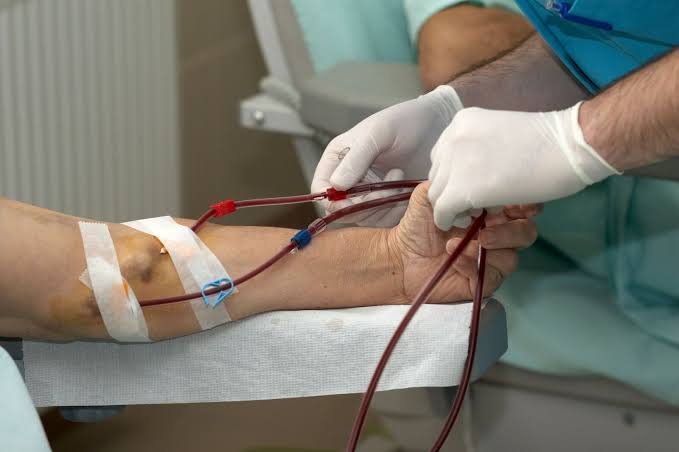
Dialysis access is a pathway through which blood is removed from the body, filtered by a haemodialysis machine, and returned to the bloodstream.
During treatment, blood needs to move at an adequate rate for effective filtration. A suitable access point makes this process possible and allows patients to receive regular dialysis sessions.
The choice of access depends on factors such as vein size, artery condition, previous vascular procedures, urgency of dialysis, and the patient’s long-term treatment plan.
1. Arteriovenous (AV) Fistula
An arteriovenous fistula is a surgically created connection between an artery and a vein, usually in the arm. This connection allows arterial blood to flow into the vein, increasing its size and strength over time.
As the vein develops, it becomes suitable for repeated needle insertion during haemodialysis.
Benefits of an AV Fistula
An AV fistula is generally preferred for suitable patients who require long-term haemodialysis.
Its potential advantages include:
-
Lower infection risk compared with a central venous catheter.
-
Good long-term durability in many patients.
-
Lower risk of clotting compared with some other access options.
-
No artificial graft material is required.
-
Can support repeated dialysis sessions once mature.
Limitations of an AV Fistula
An AV fistula needs time to mature before it can be used. This often takes around 6 to 8 weeks, although some require longer.
Not every patient has blood vessels suitable for fistula creation. Some fistulas may also fail to mature, develop narrowing, or become blocked.
2. Arteriovenous (AV) Graft
An AV graft is another type of surgically created dialysis access. Instead of directly connecting an artery and vein, the surgeon uses a synthetic tube to connect them.
The graft is usually placed beneath the skin of the arm. Dialysis needles are inserted into the graft during treatment.
Benefits of an AV Graft
An AV graft may be suitable for patients whose veins are not appropriate for creating a direct fistula.
Its potential benefits include:
-
Can provide an alternative when native veins are unsuitable.
-
Usually becomes usable sooner than a standard AV fistula.
-
Can support regular haemodialysis once adequately healed.
-
Offers another option for patients with limited vascular access.
Some specialised grafts may be designed for earlier use, but the timing depends on the graft type and the surgeon’s assessment.
Limitations of an AV Graft
Because an AV graft contains artificial material, it generally has a higher risk of infection and clotting than a well-functioning AV fistula.
Narrowing can develop around the graft connections, sometimes requiring additional procedures to maintain blood flow. Grafts may also need replacement or revision over time.
3. Central Venous Catheter
A central venous catheter is a flexible tube inserted into a large vein, commonly in the neck or chest. Its tip is positioned in a large central vein so that blood can travel between the patient and the dialysis machine.
Catheters may be temporary or tunneled for longer-term use.
Benefits of a Dialysis Catheter
A central venous catheter can be useful when dialysis needs to begin urgently and there is not enough time to create and mature an AV fistula or graft.
Its advantages include:
-
Can often be used immediately after placement.
-
Does not require repeated needle insertion into an arm access.
-
May serve as a temporary access while a fistula or graft develops.
-
Can be useful when other access options are not feasible.
Limitations of a Dialysis Catheter
Catheters carry a higher risk of bloodstream infection and other complications compared with AV fistulas and grafts.
Potential problems include:
-
Catheter-related infections.
-
Blood clots inside or around the catheter.
-
Reduced blood flow during dialysis.
-
Central vein narrowing or damage.
-
Accidental movement or displacement.
For these reasons, catheters are generally not the preferred long-term access option when a suitable fistula or graft can be created.
Comparison of the Three Types of Dialysis Access
| Feature | AV Fistula | AV Graft | Catheter |
|---|---|---|---|
| How it is created | Artery connected directly to vein | Synthetic tube connects artery and vein | Tube inserted into a central vein |
| Typical readiness | Often 6–8 weeks or longer | Often 2–3 weeks; some specialised grafts sooner | Usually usable immediately |
| Infection risk | Generally lowest | Higher than fistula | Generally highest |
| Clotting risk | Relatively lower | Higher than fistula | Risk of catheter-related clotting |
| Common use | Preferred for suitable long-term patients | Alternative when veins are unsuitable | Urgent or selected situations |
These are general comparisons. Actual maturation and usability depend on the patient’s condition, access type, and clinical assessment.
Which Dialysis Access Option Is Best?
There is no single option that is suitable for every patient. An AV fistula is generally preferred for suitable patients who need long-term haemodialysis because of its durability and comparatively lower complication rates.
An AV graft may be considered when the patient’s veins are not suitable for fistula creation. A catheter may be necessary when dialysis must start urgently or when other access options are not currently available.
The medical team considers the patient’s blood vessel anatomy, kidney disease progression, treatment needs, and future access options before recommending a procedure.
How Is the Right Dialysis Access Selected?
The selection process usually involves collaboration between a nephrologist and a vascular surgeon.
The evaluation may include a physical examination, review of medical history, and duplex ultrasound mapping of the arm’s arteries and veins.
The doctor assesses vessel size, blood flow, previous access procedures, and possible blockages. This information helps determine whether an AV fistula or graft can be created safely and where it should be placed.
Planning access before dialysis becomes urgent can provide more time for healing and maturation.
How to Care for Dialysis Access
Regardless of the access type, regular care is important to reduce complications.
For an AV fistula or graft, patients should check the access daily for the expected vibration, known as a thrill. A sudden reduction or disappearance of the vibration requires immediate contact with the dialysis or vascular team.
Patients should also avoid unnecessary pressure, blood pressure measurements, injections, and blood draws on the access arm unless specifically directed by their medical team.
For a catheter, keeping the dressing clean and dry and following strict catheter-care instructions are essential. Only trained healthcare professionals should handle catheter connections and dressings.
Uncontrolled bleeding, fever with suspected access infection, or sudden changes in hand colour, temperature, sensation, or strength require prompt medical attention.
Conclusion
Understanding the different types of dialysis access helps patients prepare for haemodialysis and discuss suitable options with their healthcare team. AV fistulas, AV grafts, and central venous catheters each serve an important purpose, but they differ in how they are created, when they can be used, and their potential complications.
The best choice depends on individual vascular anatomy, dialysis requirements, and overall health. Consulting a qualified vascular specialist can help patients understand the available procedures and plan reliable access for their dialysis treatment.
Dr Sumit Kapadia can be considered for vascular evaluation and guidance regarding dialysis access options based on individual clinical findings.
Frequently Asked Questions
1. What are the three main types of dialysis access?
The three main types are arteriovenous fistulas, arteriovenous grafts, and central venous catheters. Each provides a different route for blood to travel during haemodialysis.
2. Which dialysis access is generally preferred for long-term use?
An AV fistula is generally preferred for suitable patients because it often has better long-term durability and lower infection and clotting risks than other access options.
3. How long does an AV fistula take to become ready?
Many AV fistulas require approximately 6 to 8 weeks to mature, although some take longer. A healthcare professional must confirm that the fistula is ready before dialysis needles are inserted.
4. Can dialysis begin immediately with an AV graft?
Most conventional AV grafts need time to heal before use, often around 2 to 3 weeks. Certain specialised early-cannulation grafts may be used sooner when the treating team considers it appropriate.
5. Why are dialysis catheters not usually preferred for long-term use?
Catheters have a higher risk of bloodstream infection, clotting, and central vein complications. A fistula or graft is generally preferred when a patient is suitable for one.