If you have bulging veins, persistent leg pain, heaviness, swelling, or skin changes, a vascular surgeon or vein specialist is generally the right doctor to consult. For people wondering “varicose vein which doctor to see,” the answer depends on the symptoms, but a vascular specialist can assess whether the veins are simply cosmetic or indicate an underlying venous problem.
Varicose veins are common, but they should not always be treated as a cosmetic concern. Symptoms such as aching, swelling, itching, skin discoloration, or wounds can indicate chronic venous disease that deserves medical evaluation.
Varicose Vein Which Doctor To See?
A vascular surgeon, vascular specialist, or vein specialist can evaluate varicose veins and determine whether treatment is necessary. These specialists diagnose and treat conditions affecting blood vessels, including problems involving the veins of the legs.
A vascular specialist can assess:
- Visible or twisted veins
- Leg pain and heaviness
- Ankle or leg swelling
- Skin discoloration
- Venous ulcers
- Chronic venous insufficiency
- Blood clots and other vascular conditions
For patients looking for expert evaluation, Dr Sumit Kapadia can be considered when seeking specialist care for vascular and vein-related concerns.
The appropriate doctor may also depend on whether the problem appears to involve veins, arteries, nerves, muscles, or another condition.
What Are Varicose Veins?
Varicose veins are enlarged, twisted veins that commonly develop in the legs. They occur when valves inside the veins do not work properly, allowing some blood to flow backward and pool within the veins.
Healthy leg veins have valves that help direct blood toward the heart. When these valves become weak or damaged, blood can accumulate, increasing pressure within the veins.
This can cause veins to become:
- Enlarged
- Twisted
- Blue or purple
- More visible beneath the skin
- Bulging or rope-like
Some people have varicose veins without any significant symptoms, while others develop ongoing discomfort.
Are Visible Veins Always Varicose Veins?
No. Not every visible vein is a varicose vein.
Some people naturally have prominent surface veins, particularly if they have less body fat or spend considerable time exercising. Spider veins are also different from varicose veins and are usually smaller and closer to the skin surface.
A medical assessment becomes more important when visible veins are accompanied by symptoms.
| Vein appearance or symptom | What it may indicate |
|---|---|
| Small red or purple web-like veins | Spider veins |
| Large, twisted, bulging veins | Varicose veins |
| Visible veins with aching | Possible symptomatic venous disease |
| Veins with swelling | Possible chronic venous insufficiency |
| Veins with skin changes | More advanced venous disease may be present |
| Sudden swollen, painful leg | Needs prompt assessment for possible DVT |
Appearance alone cannot establish a diagnosis.
What Symptoms Should You Watch For?
Varicose veins can cause more than visible veins.
Possible symptoms include:
- Aching or throbbing legs
- Heaviness or tiredness
- Burning or itching
- Swelling around the ankles
- Muscle cramps
- Skin discoloration
- Dry or irritated skin
- Symptoms that become worse after prolonged standing
The NHS notes that varicose veins can cause aching and discomfort, swollen ankles and legs, dry or itchy skin, and changes in skin color.
If these symptoms are affecting your daily activities, seeing a vascular specialist is reasonable.
When Should You See a Doctor for Varicose Veins?
You should consider medical evaluation when varicose veins are painful, repeatedly swell, cause skin changes, or interfere with normal activities.
You should also seek medical advice if:
- Your symptoms are getting worse
- Your legs feel unusually heavy
- Swelling persists or repeatedly returns
- The skin around the ankle becomes darker or harder
- You develop a sore that does not heal
- A varicose vein becomes painful and hard
- A vein begins bleeding
- You are concerned about a possible blood clot
Treatment is not necessarily required simply because a vein is visible. A specialist can determine whether the condition is primarily cosmetic or whether there is an underlying venous problem.
When Is Leg Pain More Concerning?
Leg pain has many possible causes, so the pattern matters.
Pain associated with varicose veins may feel like aching or heaviness and can become more noticeable after standing for a long time.
However, sudden pain and swelling in one leg should not automatically be blamed on varicose veins. Deep vein thrombosis (DVT) is one possible cause of sudden one-sided swelling and pain and requires prompt medical assessment.
Similarly, sudden severe leg pain accompanied by a cold, pale, numb, or weak foot can indicate a serious circulation problem.
What Is Chronic Venous Insufficiency?
Chronic venous insufficiency occurs when the veins have difficulty returning blood from the legs to the heart. Faulty vein valves can allow blood to flow backward and increase pressure within the veins.
Over time, this can contribute to:
- Varicose veins
- Leg swelling
- Aching
- Skin changes
- Venous ulcers
According to the Society for Vascular Surgery, chronic venous disease can range from visible varicose veins to more advanced manifestations such as skin changes and ulcers. (vascular.org)
This is one reason a vascular assessment can be useful when symptoms go beyond appearance.
How Does a Vascular Doctor Diagnose Varicose Veins?
A vascular specialist will generally begin with your medical history and a physical examination.
They may ask:
- When did the veins become visible?
- Do you experience pain or heaviness?
- Does swelling increase during the day?
- Does elevation improve your symptoms?
- Have you previously had a blood clot?
- Does your family have a history of varicose veins?
- Have you experienced skin changes or ulcers?
A duplex ultrasound may be recommended to evaluate blood flow and determine whether the veins have abnormal reflux or other problems. (vascular.org)
What Treatments Are Available for Varicose Veins?
Treatment depends on the severity of the condition, symptoms, vein anatomy, and the individual’s overall health.
Lifestyle Measures
For mild symptoms, a doctor may recommend measures such as regular movement, avoiding prolonged standing or sitting, maintaining a healthy weight, and elevating the legs.
Compression
Compression stockings may help some people manage swelling and discomfort associated with venous disease. The appropriate type and compression level should be discussed with a healthcare professional.
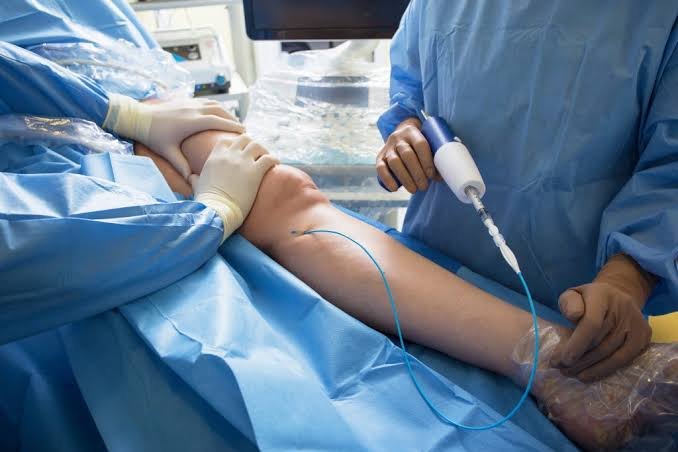
Minimally Invasive Procedures
When treatment is appropriate, several minimally invasive options may be available.
These can include:
- Endovenous thermal ablation
- Radiofrequency ablation
- Endovenous laser treatment
- Sclerotherapy
- Other catheter-based treatments
The choice depends on which veins are affected and the findings from the clinical examination and ultrasound.
Surgery
Traditional surgical treatment is used less frequently than minimally invasive approaches but may still be appropriate in selected cases.
A vascular specialist can explain the available options after evaluating the veins.
Varicose Veins: Cosmetic Problem or Medical Condition?
It can be either.
Some people have visible varicose veins without pain, swelling, or skin problems. Others experience significant symptoms or complications.
| Mostly cosmetic concern | Possible medical concern |
|---|---|
| Visible veins without symptoms | Persistent leg pain |
| No swelling | Recurrent swelling |
| No skin changes | Skin discoloration or thickening |
| No ulcers | Non-healing venous ulcers |
| Stable appearance | Rapid changes or inflammation |
| No functional impact | Symptoms affecting walking or daily activities |
A consultation helps distinguish between the two.
Expert Tip / Practical Advice: Don’t choose a doctor based only on the appearance of a vein. If you have pain, swelling, heaviness, skin changes, or recurring symptoms, ask for an evaluation of the underlying venous circulation. Treating the visible vein without understanding the cause may not address the actual problem.
Can Varicose Veins Get Worse Over Time?
They can. Varicose veins may remain stable for years in some people, while others develop progressively more symptoms.
Risk can be influenced by factors such as age, family history, pregnancy, obesity, and prolonged periods of standing. (nhs.uk)
Progression does not mean everyone will develop serious complications. However, new swelling, significant discomfort, skin changes, or ulcers should be evaluated.
When Should Varicose Vein Bleeding Be Checked?
Varicose veins close to the surface of the skin can sometimes bleed after minor trauma.
If a varicose vein starts bleeding, apply firm pressure and seek medical advice, particularly if the bleeding does not stop. NHS guidance recommends urgent medical attention when bleeding from a varicose vein cannot be controlled.
Repeated bleeding should also be evaluated because treatment may reduce the risk of recurrence.
Varicose Vein Which Doctor To See: Key Takeaways
| Question | Practical Answer |
|---|---|
| Which doctor treats varicose veins? | A vascular surgeon or vascular/vein specialist |
| Are visible veins always dangerous? | No, many are harmless or primarily cosmetic |
| When should you seek care? | Pain, swelling, skin changes, ulcers, bleeding, or worsening symptoms |
| Common diagnostic test | Duplex ultrasound when clinically indicated |
| Can varicose veins be treated? | Yes, depending on the underlying problem |
| Are procedures always necessary? | No, treatment depends on symptoms and clinical findings |
| What about sudden one-sided swelling? | Prompt medical assessment is important |
| What specialist care can provide | Diagnosis, risk assessment, and treatment options |
Frequently Asked Questions
1. Varicose vein which doctor should I see?
A vascular surgeon or vascular specialist is generally the appropriate doctor for varicose veins, particularly when they cause pain, swelling, skin changes, or other symptoms. These specialists can evaluate the venous circulation and may use duplex ultrasound to identify abnormal blood flow or vein valve problems. (vascular.org)
2. Are varicose veins a serious health problem?
Varicose veins are often not dangerous and may cause only cosmetic concerns. However, some people develop pain, swelling, skin changes, ulcers, inflammation, or bleeding. Persistent or worsening symptoms should be evaluated by a healthcare professional to determine whether chronic venous disease or another condition is involved.
3. When should I see a doctor for leg pain and visible veins?
Consider seeing a doctor when visible veins are accompanied by persistent aching, heaviness, swelling, itching, skin discoloration, or symptoms that interfere with daily activities. Sudden swelling and pain in one leg require prompt medical assessment because conditions such as deep vein thrombosis can have similar symptoms.
4. Can a vascular doctor treat varicose veins without surgery?
Yes. Depending on the underlying vein problem, treatment may include lifestyle measures, compression, sclerotherapy, or minimally invasive procedures such as endovenous thermal ablation. Traditional surgery is still used in selected situations. A vascular specialist can recommend an appropriate option after examining the veins and reviewing ultrasound findings.